
How Arrest Warrants Work in Koochiching County
An arrest warrant gives an officer the power to take a named person into custody on a charged offense. In Koochiching County, that warrant belongs to a District Court case. A complaint or other court action lays the groundwork. A judge reviews it. Then the warrant issues, usually with bail and release conditions attached. The warrant is not itself a charge. It is arrest authority, carried out by an officer the law allows to serve it, whether that is the county sheriff, a city police officer, or another agency. Before asking anyone anything else, ask the court which case produced the warrant. While a warrant sits unserved, Minn. Stat. 13.82 controls how the arrest-warrant index data is classified, and that rule shapes what the public can see in Koochiching County.
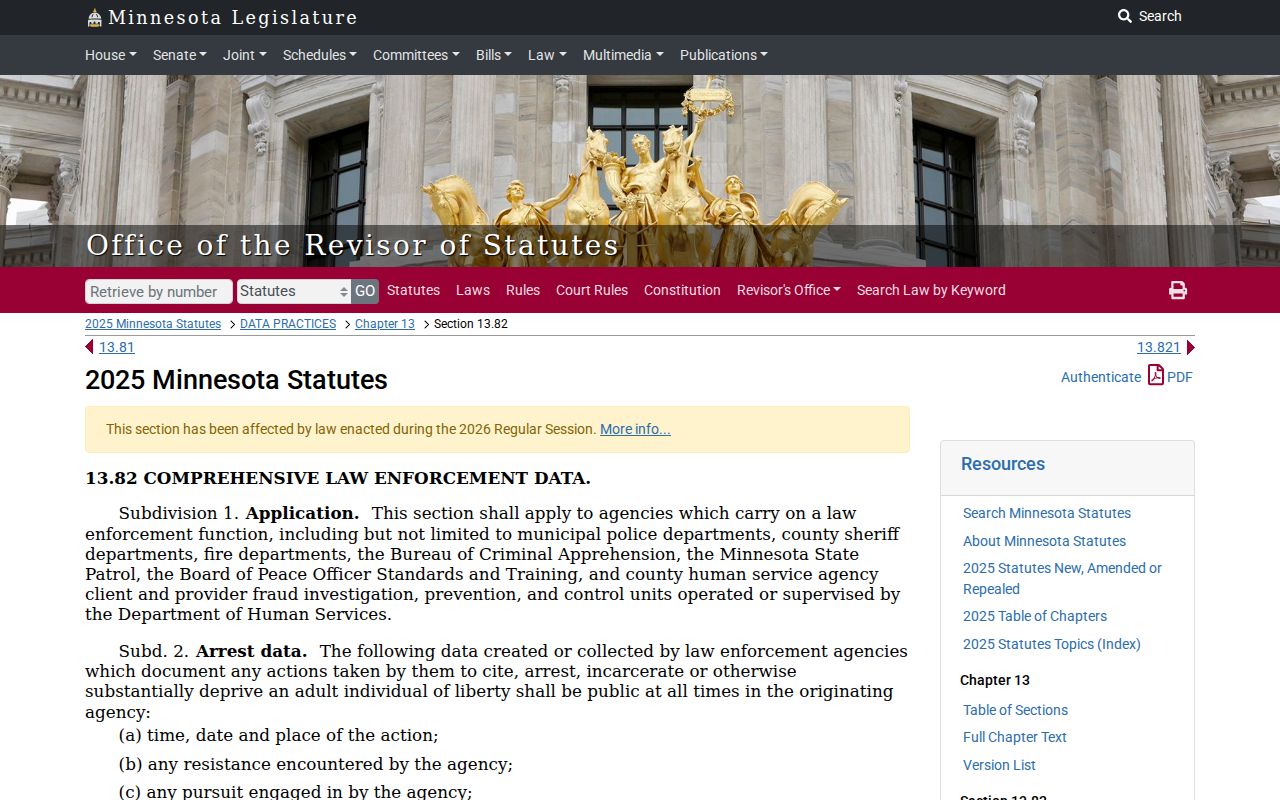
That classification rule explains the empty look. The county's public record can show nothing even while a Koochiching County arrest warrant is active.
Koochiching Arrest Warrant Probable Cause
Sworn information starts the process. An affidavit or complaint must establish probable cause, meaning a reasonable factual basis to believe an offense happened and that a specific person was involved. A Koochiching County judge reviews that material before signing anything. Once signed, the warrant carries the offense description, the release terms, and a direction to bring the person promptly before the issuing court. Everything then lives in the District Court file, where service, recall, or a motion to quash gets recorded. Note: not every custody event starts with a warrant, and not every warrant starts with an arrest.
Arrest Warrants: What They Contain
Minnesota Rule of Criminal Procedure 3 sets the required contents, so the pieces are the same statewide. Koochiching County case records then display those pieces in the fields listed below.
| Case Number | Minnesota format, as in 36-CR-24-000123. |
|---|---|
| Defendant Identification | The name, or a description certain enough to identify the person. |
| Offense | Description of the charged offense, with statute and classification. |
| Issuing Court | Koochiching County District Court and the signing judge. |
| Bail and Conditions | Amount and release conditions, with bond activity history. |
| Status Events | Issued, served, recalled, quashed, or inactivated, as entered. |
The Koochiching Warrant Appearance Deadline
Minnesota rules start a short clock after an arrest on a warrant. If court is not in session, the person goes before a judge without unnecessary delay, generally no later than 36 hours after the arrest, not counting the day of the arrest, or as soon as a judge is available. The same rule directs prompt appearance before the issuing court. So the first question in Koochiching County after an arrest is usually about the initial appearance, not just the charge itself.
Key Point: The warrant sets bail and release conditions in advance, so the amount on the paperwork can be confirmed before the appearance.
How Warrants Get Served in Koochiching County
Service runs through law enforcement, not a public counter. The Koochiching County sheriff is the countywide agency, and its page lists the Law Enforcement Center, the jail, and a civil division, but no separate warrant desk. International Falls police keep their own records channel for city matters.
Koochiching County Sheriff
Law Enforcement Center, 715 4th Street
International Falls, MN 56649
218-283-4416
International Falls Police Department
900 5th Street, Suite 305
International Falls, MN 56649
218-283-1900
Neither agency publishes walk-in surrender hours, a bond window, or a warrant counter schedule. Call Koochiching County offices before you go.
Koochiching Arrests Without a Warrant
Minnesota also permits arrests without a warrant. Under Minn. Stat. 629.34, a peace officer may arrest without one in set circumstances, so custody in Koochiching County does not always mean a warrant existed first. That distinction matters when a search turns up nothing. An arrest record, a jail entry, and a warrant entry are three different things. Trying to understand what happened in a case? Ask the court which process was used instead of assuming. Note: a jail roster entry tells you about custody, not whether an arrest warrant was issued.
Arrest Warrants, Summonses, and Bench Warrants
Minnesota courts pick among several processes, and the choice shapes what happens to the person named. This comparison, with Koochiching County cases in mind, tracks the differences that matter.
| Point | Arrest warrant | Summons or citation | Bench warrant |
|---|---|---|---|
| Authority | Take the person into custody | Order the person to appear | Bring the person before the court |
| Typical trigger | A charged offense with probable cause | An offense that does not require custody first | A missed appearance or court failure |
| What to do | Counsel, surrender, or bond | Appear as directed, or pay if payable | Reset, recall, quash, or appear |
| Public visibility | Index data can stay confidential until service | Case record once filed | Case record, subject to access limits |
Koochiching Warrant Service Agencies
County or city officers serve most local warrants. Fugitive work that crosses jurisdictions brings in other agencies. The U.S. Marshals District of Minnesota covers Koochiching County and runs the North Star Fugitive Task Force, which partners with locals on cases crossing county or state lines. Federal and out-of-state warrants get confirmed by the issuing jurisdiction instead. A Koochiching County case search cannot clear a warrant from another state.
Handling an Arrest Warrant in Your Name
An active warrant in your name leaves a few responsible paths. Hire an attorney. Arrange a voluntary surrender in advance. Post bond where the court allows it. Each path starts with confirming the Koochiching County case and its current conditions.
- Find the case in MCRO by case or citation number and read the Warrants section.
- Call Court Administration at 218-283-1160 to confirm the warrant and the bail conditions.
- Speak with a licensed Minnesota attorney before you appear or pay anything.
- If surrender is the plan, call the Law Enforcement Center at 218-283-4416 about intake and identification.
- If bond is allowed, ask the court or jail for the exact amount, method, and refund rule.
- After any court action, confirm the recall or inactivation entry in the case record.
An active arrest warrant can surface during any police contact. Confirm the case and talk to a lawyer before deciding how to proceed.
Koochiching Warrants and the Federal Layer
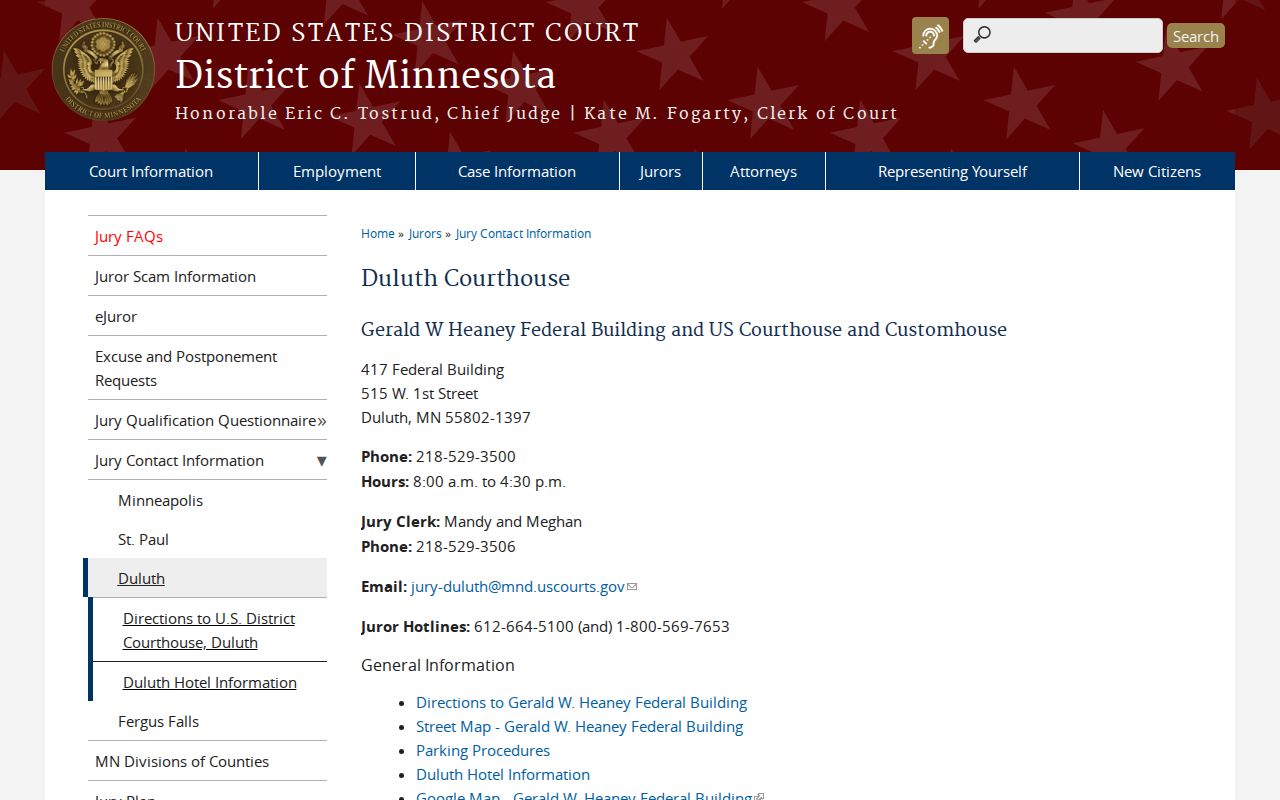
Koochiching County sits inside the federal District of Minnesota. The nearest federal courthouse for northern Minnesota cases is in Duluth. Federal warrants follow federal procedure and are served by federal officers or local partners. A county case search cannot confirm or clear one. The Duluth courthouse page lists the address, phone, hours, and court officials for that location.
A federal case reaches beyond Koochiching County records. On PACER, fees run per page and most documents are capped, and a name search can cost money even with no match, so searching by case number saves money.
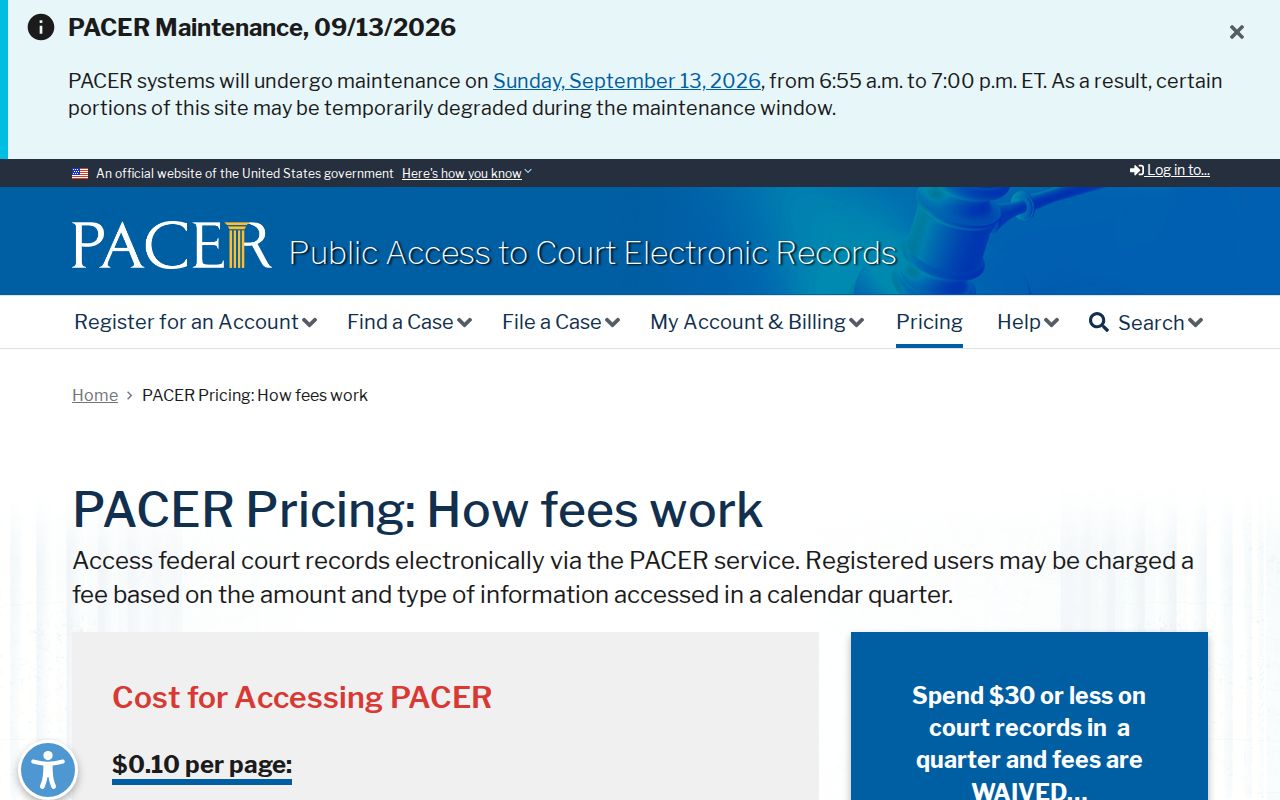
Neither the Koochiching County case search nor a federal docket adds up to a full public warrant lookup. Federal warrants can stay sealed until they are served.